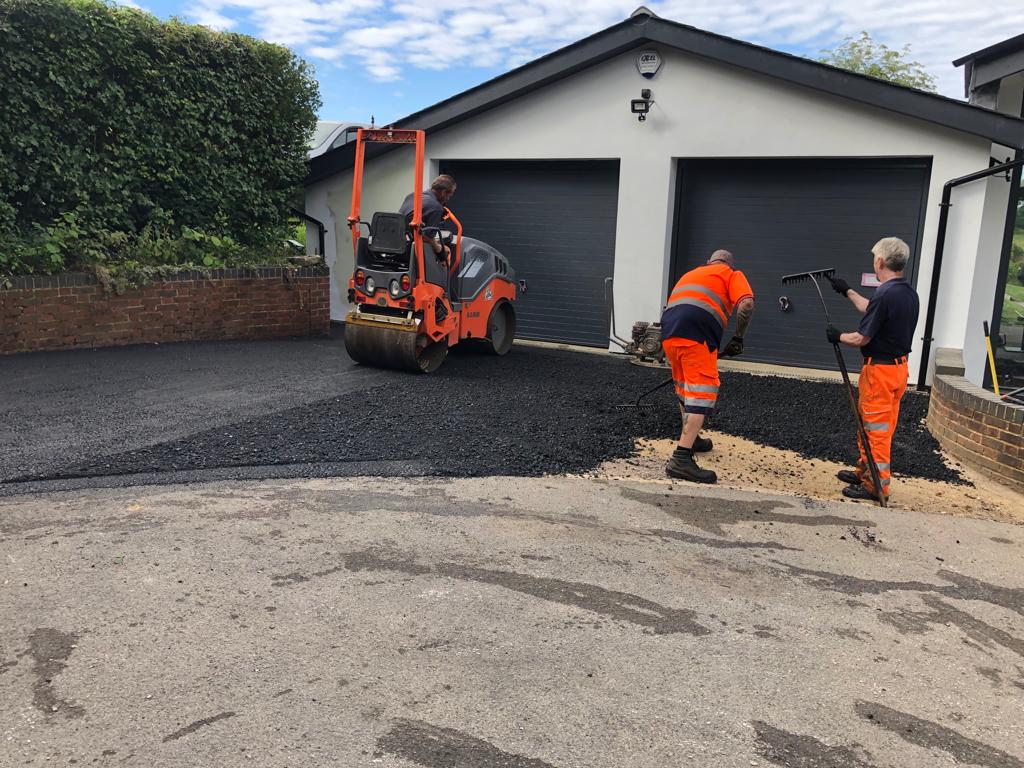
An ageing asphalt surface does not automatically need to be completely replaced. In many cases, deterioration begins in the upper layers while the underlying pavement remains stable and capable of providing further service. Acting during this stage can make asphalt resurfacing an effective way to restore the surface and prevent existing wear from progressing into more serious damage.
The key is timing. Resurfacing is most effective when the pavement is still structurally suitable and problems are primarily affecting the wearing surface. At Gawler Road Tech SA, we provide professional asphalt and bitumen resurfacing throughout Gawler, SA, assessing existing pavements carefully to determine the most appropriate treatment for their condition.
What Happens as Asphalt Begins to Deteriorate?
Asphalt is designed to withstand regular traffic and exposure to the elements, but its condition naturally changes over time.
The surface can gradually become weathered and less flexible. Small cracks may develop, aggregate can begin loosening, and previously smooth areas may become increasingly rough.
Common signs of asphalt deterioration include:
- Fine or moderate surface cracking
- Faded and weathered asphalt
- Loose surface aggregate
- Localised depressions
- Small areas of pavement breakdown
- An increasingly rough or uneven finish
These signs should not necessarily be viewed as an indication that the entire pavement has failed. Instead, they provide an opportunity to assess whether maintenance or resurfacing could preserve the existing structure.
What Does Asphalt Resurfacing Involve?
Resurfacing generally involves preparing the existing pavement and installing a new asphalt wearing layer over a suitable surface.
Before the new layer is placed, defects need to be assessed and appropriate preparation completed. Damaged areas may require repairs, and drainage or surface-level issues may need attention.
The objective is not simply to hide an ageing surface. Proper resurfacing creates a renewed wearing course that works with the existing pavement structure beneath it.
How Can Resurfacing Slow Further Deterioration?
Once an asphalt surface begins deteriorating, leaving it exposed allows traffic and environmental conditions to continue acting directly on weakened material.
A professionally installed resurfacing layer creates a renewed barrier between these stresses and the existing pavement.
This can help protect the older asphalt from:
- Continued surface abrasion
- Direct tyre wear
- Environmental exposure
- Moisture infiltration
- Further loss of surface material
By renewing the wearing layer before deterioration becomes structural, more of the existing pavement can potentially be retained.
Keeping Water Out Is Particularly Important
Water penetration is one of the biggest concerns with deteriorating asphalt.
Cracks provide pathways through which moisture can reach the pavement layers below. Once supporting materials become weakened, the asphalt may lose support and begin moving under vehicle loads.
That movement can contribute to wider cracking, depressions, potholes and more extensive pavement failure.
Resurfacing a suitable pavement can restore surface integrity and reduce opportunities for moisture to penetrate through existing wear. However, existing drainage problems should also be addressed if they are contributing to deterioration.
Resurfacing Can Stop Minor Wear Becoming Widespread
One advantage of taking action at the right stage is the opportunity to intervene before deterioration spreads.
A surface that currently has moderate weathering or isolated defects may continue to deteriorate if nothing is done. Cracks can expand, small failures can become potholes, and water can begin affecting previously sound areas.
Resurfacing provides an opportunity to restore the wearing surface while much of the existing pavement is still worth preserving.
It Can Restore a Consistent Driving Surface
Ageing asphalt often becomes less comfortable to drive over.
Years of wear can produce rough sections, previous repair patches and minor irregularities. When resurfacing is appropriate, the new asphalt layer can restore a smoother and more consistent surface.
This can improve:
- Vehicle movement
- Driving comfort
- Surface appearance
- Property access
- Overall pavement functionality
For driveways, access roads, car parks and operational areas in Gawler, SA, these improvements can make an ageing pavement significantly more practical to use.
Resurfacing Also Improves Appearance
Surface deterioration affects more than pavement performance.
Faded asphalt, numerous patches, cracking and inconsistent areas can make an otherwise well-maintained property appear neglected. A newly resurfaced pavement creates a cleaner and more uniform finish.
For residential and commercial properties, renewing a prominent asphalt surface can make a noticeable difference to the overall presentation of the site.
When Is an Existing Surface a Good Candidate?
Not every ageing asphalt pavement should be resurfaced.
The condition of the underlying structure is one of the most important considerations. Resurfacing is generally more appropriate when the existing pavement retains adequate structural stability but the upper surface has deteriorated.
Potential indicators that an assessment may be worthwhile include:
- General surface ageing
- Widespread but relatively shallow wear
- Increasing surface roughness
- Multiple previous repairs
- Developing cracks
- Loss of the original surface condition
A professional assessment is necessary because similar-looking defects can have very different causes beneath the surface.
When Resurfacing May Not Be Enough
A new asphalt layer cannot compensate for a pavement that has substantially failed underneath.
If there is widespread base instability, significant settlement, severe deformation or extensive structural cracking, these underlying problems need to be addressed. Otherwise, movement beneath the new surface can eventually affect the resurfaced pavement as well.
This is why resurfacing should never simply involve covering existing damage without investigating its cause.
Professional preparation is fundamental to a durable result.
Drainage Needs to Be Part of the Assessment
If water is contributing to deterioration, resurfacing without addressing the drainage problem may leave the pavement vulnerable to future damage.
Areas where water consistently pools, flows across the pavement incorrectly or enters weakened edges should be identified during the assessment.
Correct surface falls and effective drainage help protect both the resurfacing layer and the existing pavement beneath it.
Why Acting at the Right Time Matters
There is an important maintenance window between a pavement being virtually problem-free and becoming structurally unsound.
Waiting until potholes, severe cracking and widespread movement have developed can mean that resurfacing alone is no longer appropriate. Arranging an assessment while deterioration is still predominantly at surface level provides more options for preserving the existing pavement.
Preventative pavement management is therefore about responding to condition rather than waiting for complete failure.
Professional Resurfacing Starts With an Inspection
The best resurfacing projects begin with understanding what is happening beneath the visible wear.
At Gawler Road Tech SA, we assess existing asphalt surfaces throughout Gawler, SA before recommending work. The condition of the pavement, foundation, drainage and damaged areas can then inform the appropriate preparation and resurfacing approach.
This ensures the work is based on what the pavement actually requires rather than simply applying another layer over existing problems.
Conclusion
Asphalt resurfacing can help save an existing pavement from further deterioration when it is carried out at the appropriate stage. By renewing the wearing surface, limiting moisture penetration, improving surface consistency and protecting the pavement beneath, resurfacing can extend the useful life of asphalt that remains structurally suitable.
The key is not to wait until surface wear has progressed into widespread structural failure. If your driveway, access road, car park or other asphalt surface in Gawler, SA is showing increasing signs of deterioration, Gawler Road Tech SA can assess its condition and determine whether resurfacing is the right solution. Contact our team for professional asphalt and bitumen surfacing advice focused on protecting your existing pavement and achieving reliable long-term performance.
Call us on: 08 5122 4216
Click here to find out more about Gawler Road Tech SA
Click here to complete our contact form and see how we can help with your roofing needs.