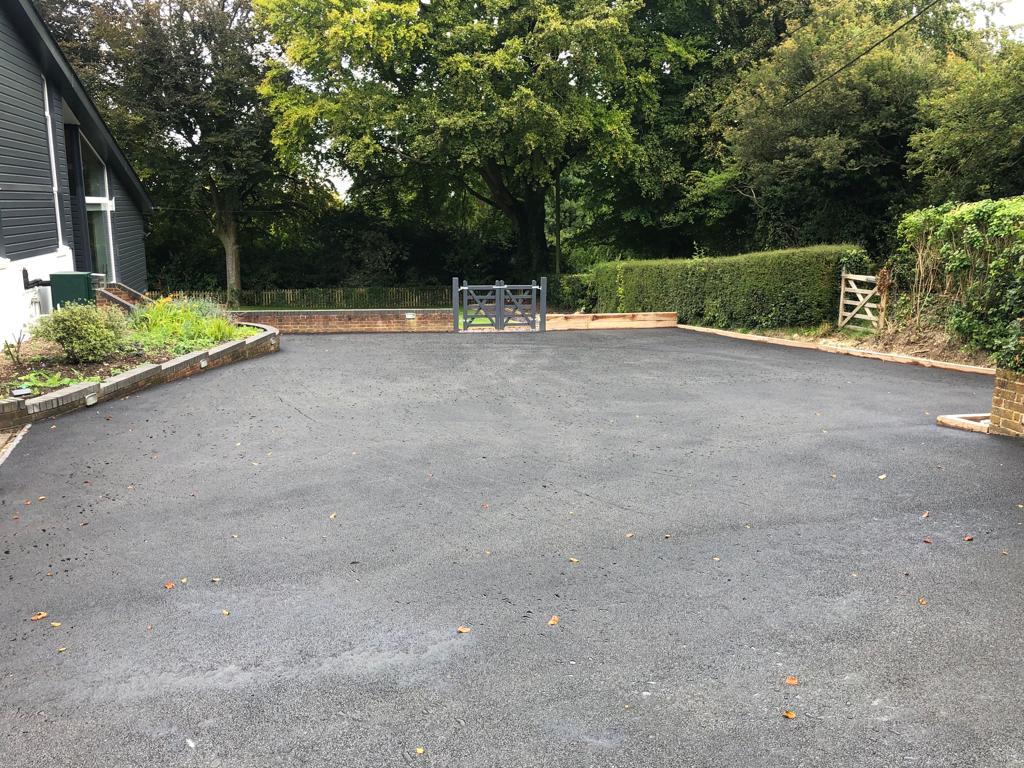
When planning a surface for a property, terms like “hardstand” and “pavement” are often used interchangeably. While they may appear similar, they are designed for different purposes and constructed to meet different performance requirements. Understanding the distinction helps ensure the right solution is chosen for long-term durability and functionality.
For property owners and businesses in Gawler, SA, selecting the appropriate surface type is essential for supporting vehicle use, maintaining safety, and achieving reliable performance.
What Is a Pavement?
Pavement is a broad term used to describe any constructed surface designed for vehicle or pedestrian use. This includes roads, driveways, car parks, and pathways. Pavements can be made from various materials, including asphalt, bitumen, or concrete.
In most cases, pavement refers to surfaces designed for general traffic use. These surfaces are engineered to provide smooth access, support consistent vehicle movement, and maintain structural integrity under typical conditions.
For properties in Gawler, SA, pavement is commonly used for residential driveways, access roads, and areas where regular vehicle movement is required.
What Is a Hardstand?
A hardstand is a specific type of heavy-duty surface designed to support higher loads and more demanding use. It is typically used in commercial, industrial, or agricultural settings where vehicles, machinery, and equipment place greater stress on the surface.
Hardstands are commonly used for:
- Truck and heavy vehicle parking
- Equipment storage areas
- Loading and unloading zones
- Operational workspaces
Because of these uses, hardstands are constructed with stronger base layers and designed to handle continuous heavy loads.
Key Differences in Purpose
The main difference between a hardstand and a pavement lies in their intended use.
Pavements are designed for general access and everyday vehicle movement. They provide a smooth and practical surface for cars and light vehicles, focusing on usability and consistent performance.
Hardstands are designed for heavy-duty applications. Their primary role is to support large vehicles, machinery, and operational activities where strength and durability are critical.
For property owners in Gawler, SA, understanding how the surface will be used helps determine which option is most suitable.
Differences in Construction
The construction process also varies between pavements and hardstands.
Pavements are typically built with base layers and surfacing that are suitable for moderate traffic loads. While they are durable, they are not always designed for constant heavy use.
Hardstands require more robust construction. This includes deeper excavation, stronger base materials, and thicker asphalt or bitumen layers. These elements ensure the surface can handle the increased pressure from heavy vehicles and equipment.
Proper construction ensures that each surface performs according to its intended purpose.
Load-Bearing Capacity
Load-bearing capacity is another important distinction.
Pavements are suitable for lighter vehicles and regular traffic patterns. They perform well in residential and light commercial environments where loads are consistent but not excessive.
Hardstands are engineered to handle significantly heavier loads. Their structure allows them to distribute weight more effectively, reducing the risk of deformation or surface failure.
For sites in Gawler, SA that involve heavy machinery or high-load applications, a hardstand is typically the more appropriate choice.
Durability and Performance Expectations
While both pavements and hardstands are designed to be durable, their performance expectations differ.
Pavements are built to provide long-term reliability under normal traffic conditions, maintaining a smooth and stable surface.
Hardstands are designed for more demanding environments where surfaces must withstand constant pressure, heavy loads, and operational activity. Their enhanced durability ensures they continue to perform under these conditions.
Choosing the right type of surface helps avoid premature wear and ensures long-term functionality.
Choosing the Right Surface for Your Property
Deciding between a hardstand and a pavement depends on the specific needs of the property. Factors such as vehicle type, traffic frequency, and operational requirements all play a role.
For residential or light-use areas, a pavement is often sufficient. For commercial or industrial sites where heavy vehicles and equipment are used, a hardstand provides the strength and durability required.
Professional assessment ensures the surface is designed to meet the demands of the site.
At Gawler Road Tech SA, we provide tailored asphalt and bitumen surfacing solutions designed to suit the needs of properties in Gawler, SA, whether for general pavement use or heavy-duty hardstands.
Conclusion
Although hardstands and pavements may appear similar, they are designed for different purposes and levels of use. Pavements provide practical surfaces for everyday vehicle movement, while hardstands are built to support heavy loads and demanding operational environments.
For property owners and businesses in Gawler, SA, understanding these differences is key to selecting the right solution. If you are planning a new surface or upgrading an existing one, Gawler Road Tech SA can assist in delivering a professionally constructed surface designed for reliable and long-term performance.
Call us on: 08 5122 4216
Click here to find out more about Gawler Road Tech SA
Click here to complete our contact form and see how we can help with your roofing needs.