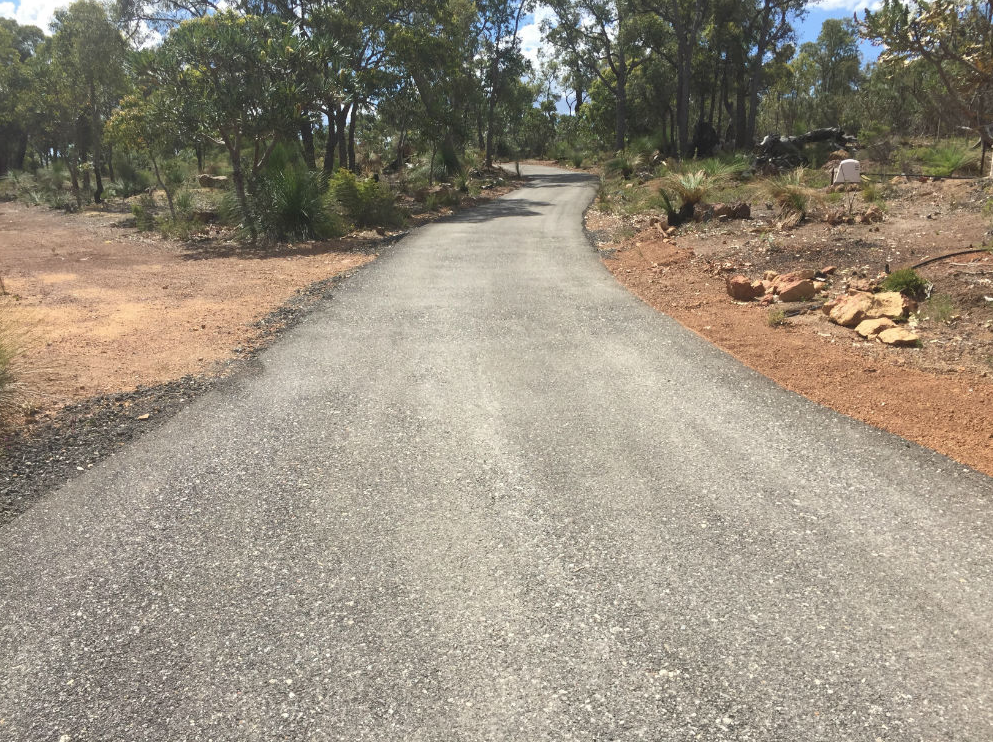
Asphalt is designed to provide a durable, consistent surface for driveways, roads, parking areas and accessways. However, as the pavement ages or becomes affected by underlying problems, the surface can begin to loosen, crack or crumble. What may initially appear to be minor wear can gradually develop into potholes, uneven sections and more extensive pavement deterioration.
For property owners and businesses in Gawler, SA, recognising the early signs of asphalt deterioration is important. Loose or crumbling asphalt does not always mean the entire surface needs replacing, but it does indicate that the pavement should be assessed before further damage develops.
Gawler Road Tech SA provides professional asphalt repairs and resurfacing, helping property owners determine whether localised repairs, surface renewal or more extensive pavement preparation is required.
Why Does Asphalt Become Loose or Start Crumbling?
Asphalt consists of aggregates held together by a bituminous binder. When properly installed over a stable foundation, these materials form a cohesive pavement capable of supporting regular vehicle movements.
Over time, however, the surface can begin losing its integrity. Aggregate particles may become loose, the asphalt may develop a rough texture, or sections may start breaking apart under traffic.
This deterioration can result from several factors, including:
- Natural ageing of the bituminous binder
- Prolonged exposure to sunlight and weather
- Water entering cracks or damaged areas
- Repeated vehicle loading
- Inadequate pavement compaction
- Weakness in the supporting base
- Poor drainage
- Delayed maintenance of existing defects
Understanding the cause is important because different forms of deterioration require different repair methods.
1. Identify Whether the Damage Is Surface Wear or Something Deeper
The first step is determining whether the asphalt is deteriorating at the surface or whether the supporting pavement has also been affected.
Surface deterioration may appear as loose aggregate, a roughened texture or small areas where the asphalt is beginning to break apart.
If the pavement remains firm, level and stable underneath, localised repairs or resurfacing may be appropriate.
However, deeper deterioration may be present when the asphalt is also sinking, moving under vehicles or developing recurring potholes.
Warning signs of possible structural problems include:
- Deep wheel ruts
- Significant surface depressions
- Widespread cracking
- Repeated pothole formation
- Soft or unstable sections
- Crumbling asphalt accompanied by settlement
These symptoms should be investigated before new asphalt is installed.
2. Repair Small Areas Before They Spread
When asphalt begins crumbling in one isolated location, early repairs can help prevent deterioration from spreading into the surrounding pavement.
Small damaged sections may initially involve only the upper wearing layer. However, continued vehicle movements can dislodge additional material and enlarge the affected area.
Once the surface opens up, water may also enter the pavement and contribute to further weakening.
Professional repairs may involve removing loose material, preparing the affected section and installing suitable replacement asphalt.
The objective is to restore a stable surface while preventing the damaged edges from continuing to break away.
Why Simply Filling the Damaged Area May Not Be Enough
Loose asphalt should not automatically be covered with new material.
If the existing surface is unstable, replacement asphalt may not have a suitable foundation or bonding surface.
A professional contractor should assess the extent of deterioration and remove material that can no longer provide adequate support.
Correct preparation is particularly important where the damaged area experiences frequent vehicle movements.
3. Address Water Penetration and Drainage Problems
Water is a significant contributor to asphalt deterioration.
When cracks or damaged sections allow moisture to reach the supporting pavement layers, the materials underneath can become weakened.
Repeated vehicle loads may then cause movement, cracking and progressive surface breakup.
Poor drainage can make this process worse.
If rainfall regularly collects in depressions or wheel paths, the affected areas may remain exposed to moisture for extended periods.
Signs of drainage-related deterioration include:
- Water collecting in damaged sections
- Crumbling asphalt around low areas
- Potholes developing where puddles regularly form
- Soft pavement edges
- Cracking around depressions
- Repeated damage after wet weather
Correcting the visible damage without addressing the drainage problem may allow deterioration to return.
Why Surface Levels Matter
An asphalt surface should have appropriate falls to encourage water to move towards suitable drainage points.
If the pavement has settled or become uneven, rainfall may no longer drain effectively.
Professional preparation can involve correcting localised depressions and restoring appropriate levels before repairs or resurfacing are completed.
This helps address one of the underlying conditions that can contribute to asphalt breaking apart.
4. Consider Whether the Asphalt Has Reached an Advanced Stage of Ageing
Asphalt naturally changes as it is exposed to sunlight, air, weather and traffic.
The bituminous binder gradually ages, and the wearing surface can become less resilient over time.
Early signs may include fading and a slightly rougher texture. As deterioration progresses, aggregate particles can begin separating from the surface.
This process is often referred to as ravelling.
What Is Asphalt Ravelling?
Ravelling occurs when aggregate particles progressively loosen and separate from the asphalt surface.
It may begin with a relatively minor loss of fine material before developing into a noticeably rough and uneven pavement.
Common signs include:
- Loose stones appearing on the surface
- A coarse or open surface texture
- Small sections of asphalt breaking away
- Increasing surface roughness
- Progressive material loss in wheel paths
Ravelling can result from ageing, inadequate bonding between materials, insufficient compaction or other pavement-related issues.
The appropriate treatment depends on how far the deterioration has progressed and whether the remaining pavement is stable.
5. Determine Whether Localised Repairs Are Sufficient
Not every area of crumbling asphalt requires complete resurfacing.
If deterioration is confined to a small section and the surrounding pavement remains structurally sound, localised repairs may be appropriate.
This approach can be suitable for:
- Isolated areas of surface breakup
- Small potholes
- Damaged pavement edges
- Localised cracking
- Limited sections of loose asphalt
However, the damaged material should be properly removed and the supporting pavement assessed before the repair is completed.
Where deterioration extends beyond the visible surface, deeper preparation may be necessary.
When Are Repeated Repairs a Warning Sign?
If the same section of asphalt continues breaking apart after previous repairs, the original cause may not have been fully addressed.
Recurring deterioration can indicate:
- Weakness in the pavement base
- Persistent water penetration
- Poor drainage
- Inadequate previous preparation
- Excessive traffic loading
- Movement in the surrounding pavement
Repeatedly patching the surface without correcting these conditions may provide only temporary improvement.
A professional assessment can help determine whether deeper repairs or a different approach is required.
6. Consider Asphalt Resurfacing for Widespread Surface Deterioration
When loose or crumbling asphalt affects a substantial proportion of a driveway, road or parking area, individual repairs may no longer provide a consistent finished surface.
In these circumstances, asphalt resurfacing may be worth considering.
Resurfacing involves preparing the existing pavement and installing a new asphalt wearing layer.
It can be appropriate when the existing surface has become broadly worn or deteriorated but the supporting pavement remains sufficiently stable.
Potential signs that resurfacing may be suitable include:
- Widespread surface ravelling
- General deterioration of the wearing layer
- Numerous shallow defects
- Extensive surface wear
- Multiple previous repairs
- A rough and inconsistent pavement finish
The condition underneath remains the deciding factor.
Resurfacing Should Not Cover an Unstable Base
A new asphalt layer cannot reliably correct serious problems within the supporting pavement.
If the existing base is weak, saturated or moving under traffic, the renewed surface may eventually develop similar defects.
Before resurfacing, failed sections should be repaired and drainage problems addressed.
Where necessary, preparation may involve removing unstable material, rebuilding localised pavement layers and restoring appropriate surface levels.
7. Consider the Effect of Vehicle Traffic
Different areas of asphalt experience different types of stress.
A driveway used by passenger vehicles may have different requirements from a commercial accessway carrying repeated delivery traffic.
Turning areas, entrances and parking positions can also experience concentrated loading.
When asphalt begins crumbling in these locations, it is important to consider whether the pavement structure is suitable for the vehicles using it.
Damage associated with traffic loading may appear as:
- Rutting in regular wheel paths
- Surface breakup around turning areas
- Cracking near vehicle entrances
- Depressions beneath frequently parked vehicles
- Repeated deterioration in heavily used sections
Professional repairs should account for the intended use of the pavement rather than simply restoring its appearance.
8. Protect the Surrounding Asphalt From Further Deterioration
Loose or crumbling asphalt rarely remains confined to the original damaged area if deterioration continues.
As aggregate separates from the surface, neighbouring material can become exposed to additional wear.
Small openings may allow moisture to enter, while repeated traffic can break away weakened edges.
Addressing deterioration early can help preserve surrounding pavement that remains in good condition.
Regularly inspecting asphalt surfaces can also make it easier to identify developing problems before they become widespread.
Signs That Should Prompt a Professional Assessment
Consider arranging an assessment when:
- Loose aggregate continues appearing
- Crumbling areas are becoming larger
- Potholes are beginning to form
- Cracks are spreading
- Water is collecting in damaged sections
- The asphalt feels uneven under vehicles
- Previous repairs are deteriorating
- Several areas are breaking apart at once
These symptoms can help indicate whether maintenance, localised repairs or resurfacing should be considered.
Why Professional Asphalt Repairs and Resurfacing Matter
A successful asphalt repair depends on understanding why the surface has deteriorated.
Loose or crumbling asphalt can result from ordinary surface ageing, but it may also indicate inadequate support, drainage problems or concentrated traffic stress.
Professional contractors assess the pavement before determining the appropriate treatment.
This may involve examining the condition of the wearing layer, checking for movement or settlement, identifying drainage issues and determining whether the supporting pavement remains stable.
The preparation process is equally important.
Removing deteriorated material, repairing weak sections, restoring levels and ensuring appropriate compaction all contribute to a more dependable finished surface.
For property owners in Gawler, professional assessment can help avoid simply covering defects that require more substantial attention.
Conclusion
Loose or crumbling asphalt is a sign that the pavement is deteriorating, but the extent of the problem determines the most appropriate solution.
Small, isolated areas may be suitable for localised repairs, while widespread surface wear and ravelling may indicate that asphalt resurfacing is worth considering. Where the pavement has developed deep rutting, recurring potholes, settlement or instability, the supporting layers may require additional preparation or reconstruction.
The most important step is identifying the cause of the deterioration before carrying out repairs. Addressing water penetration, drainage, unstable material and traffic-related stresses can help prevent the same problems from returning.
For property owners and businesses in Gawler, SA, Gawler Road Tech SA provides professional asphalt repairs and resurfacing tailored to the condition of each pavement. If your asphalt is becoming loose, rough or beginning to crumble, contact our team to arrange an assessment and determine the most suitable approach to restoring your surface.
Call us on: 08 5122 4216
Click here to find out more about Gawler Road Tech SA
Click here to complete our contact form and see how we can help with your roofing needs.