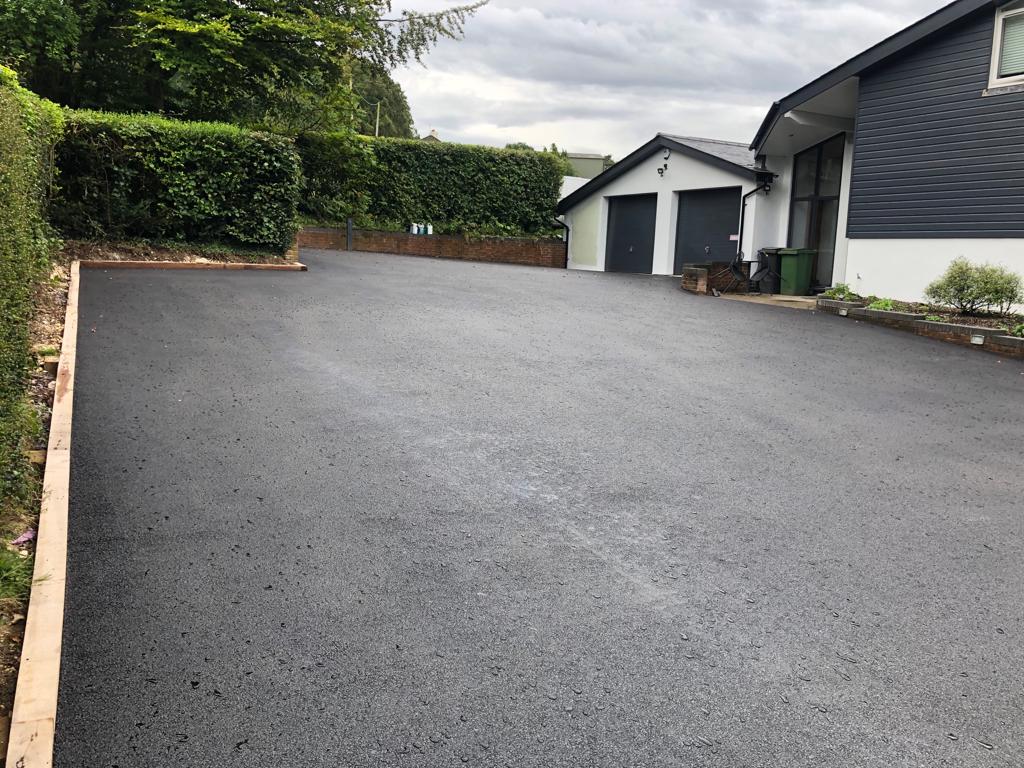
A smooth asphalt surface starts well before the hot mix is spread. The ground must be prepared, drainage considered and the asphalt placed and compacted in a controlled sequence. Each stage affects how evenly the finished surface performs under vehicles and changing weather.
For property owners planning asphalt surfacing in Gawler, understanding the process helps explain why careful preparation and experienced workmanship matter.
The steps involved in laying asphalt
1. Assessing the site and planning the levels
Before work begins, the site is assessed to understand its condition, how it will be used and where water needs to flow. The planned levels and falls help prevent water from sitting on the finished pavement.
Existing asphalt may need to be removed or repaired if it is badly damaged. The site plan also accounts for edges, access points and connections to surrounding surfaces.
2. Preparing a stable base
The ground beneath the asphalt needs to support the expected traffic. Depending on the site, preparation may include excavating unsuitable material, shaping the formation and installing or repairing a compacted base.
A weak or uneven base can contribute to dips, cracking and early surface failure. Compaction helps create a consistent foundation and reduces the risk of movement after the asphalt is laid.
3. Managing drainage
Water can weaken pavement if it collects on the surface or enters the layers beneath it. The surface is shaped to direct runoff towards suitable drainage points, while low spots and transitions are addressed during preparation.
Good drainage is especially important around entrances, edges and areas where water could gather. Correct levels help the finished asphalt remain more even and usable.
4. Spreading the asphalt
Once the base is ready, hot asphalt is delivered and spread across the prepared area. Machinery helps lay it at a consistent depth, while workers manage edges, joins and areas that equipment cannot easily reach.
The asphalt needs to be placed evenly and at a suitable temperature so it can be shaped and compacted properly. Consistent placement helps reduce variations in the finished surface.
5. Compacting and finishing the surface
Compaction presses the asphalt particles together to form a dense, stable layer. Rollers work across the surface in a planned pattern, with attention paid to edges and joins. Timing matters because the asphalt must still be workable during compaction.
The crew checks the finish as the work progresses, looking for uneven areas and ensuring transitions are neat. The surface is then left to cool and firm before it is opened to traffic, according to site conditions and the contractor’s guidance.
What helps produce an even result?
A smooth finish depends on several parts of the job working together:
- A properly prepared and compacted base
- Accurate levels and suitable drainage falls
- Consistent asphalt depth during placement
- Timely, thorough compaction
- Careful finishing around edges, joins and access points
If the existing ground or pavement has movement, poor drainage or substantial damage, those issues may need attention before new asphalt is laid.
Conclusion
Creating a smooth, even asphalt surface involves careful site assessment, base preparation, drainage planning, consistent placement and thorough compaction. Skipping or rushing a stage can affect the finish and the pavement’s performance.
Gawler Road Tech SA can assess your site in Gawler and discuss the asphalt surfacing work suited to its condition and intended use.
Call us on: 08 5122 4216
Click here to find out more about Gawler Road Tech SA
Click here to complete our contact form and see how we can help with your roofing needs.